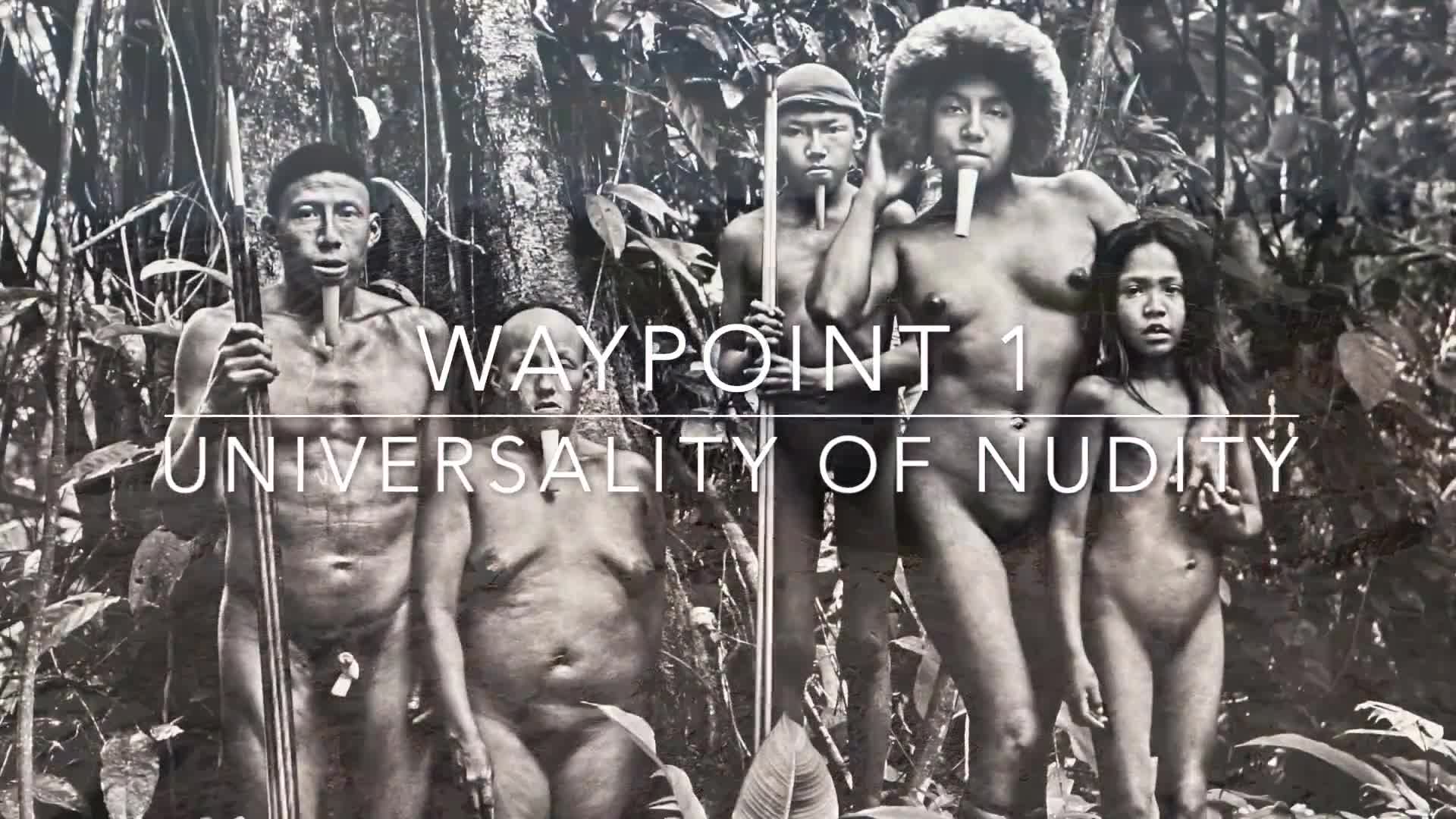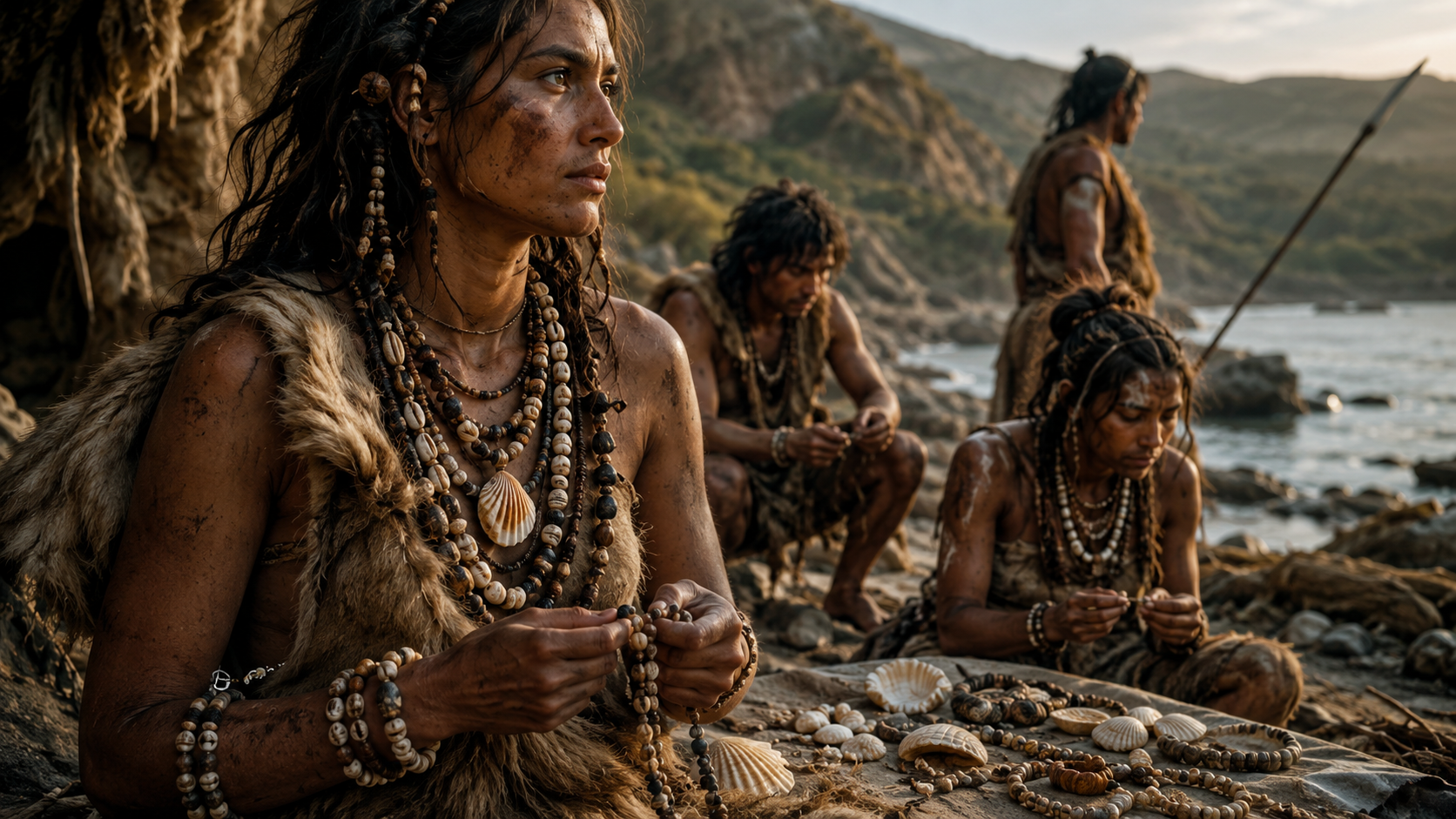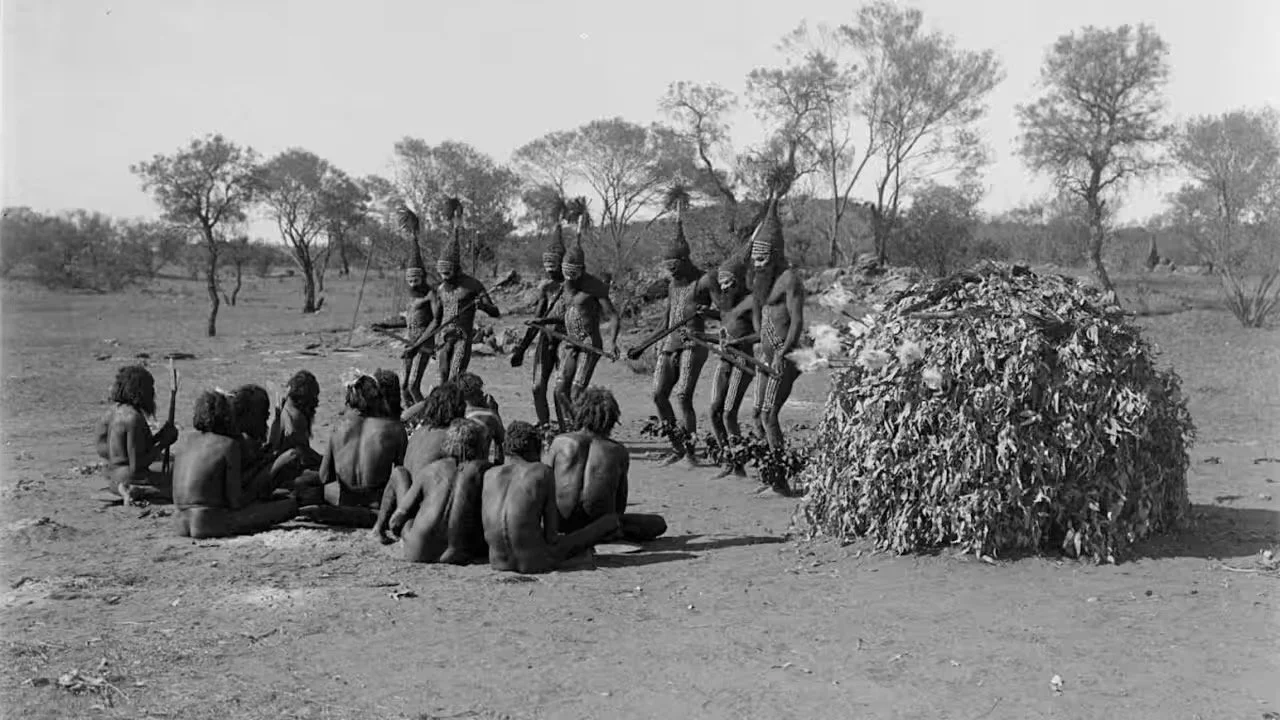
Naturism is introduced here as a global human experience: a long, changing relationship between the unclothed body, social control, cultural identity, spiritual practice and human freedom.
Strengthen and stabilize your core with this dynamic flow that blends mindful movement and breath. Ideal for building inner strength, balance, and body awareness without high intensity.
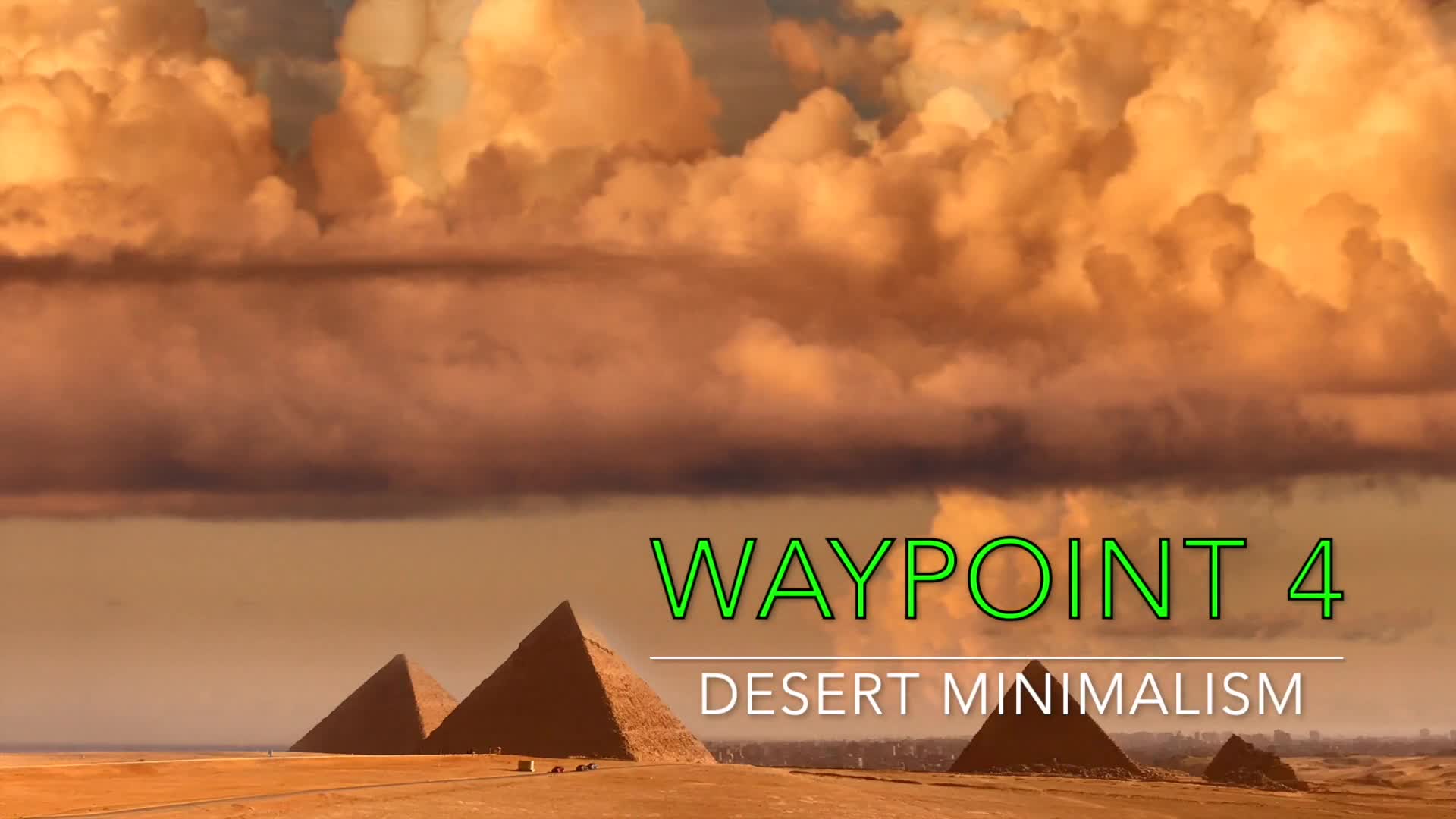
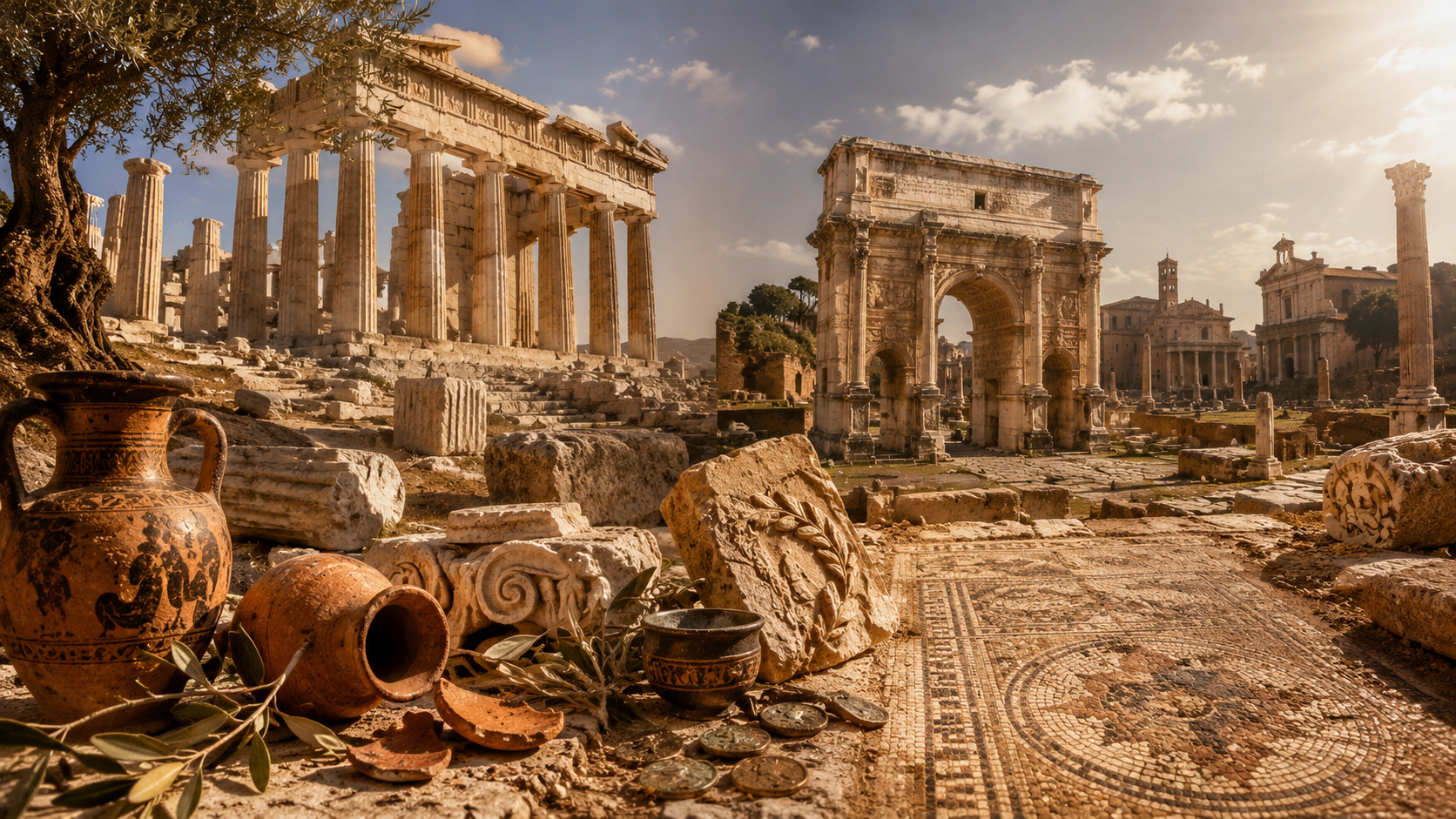
Classical Civilisations: Greece, Rome, and Mesoamerica. Across some civilisations of ancient world, attitudes toward nudity varied dramatically, shaped by cultural values, social norms and religious beliefs. Whilst Ancient Greece celebrated the human body through athletics, art and philosophy, Ancient Rome shifted toward modesty with notable exceptions, and Mesoamerican societies incorporated nudity into religious rituals, warfare and artistic expression.
Modesty and Spiritual Nudity
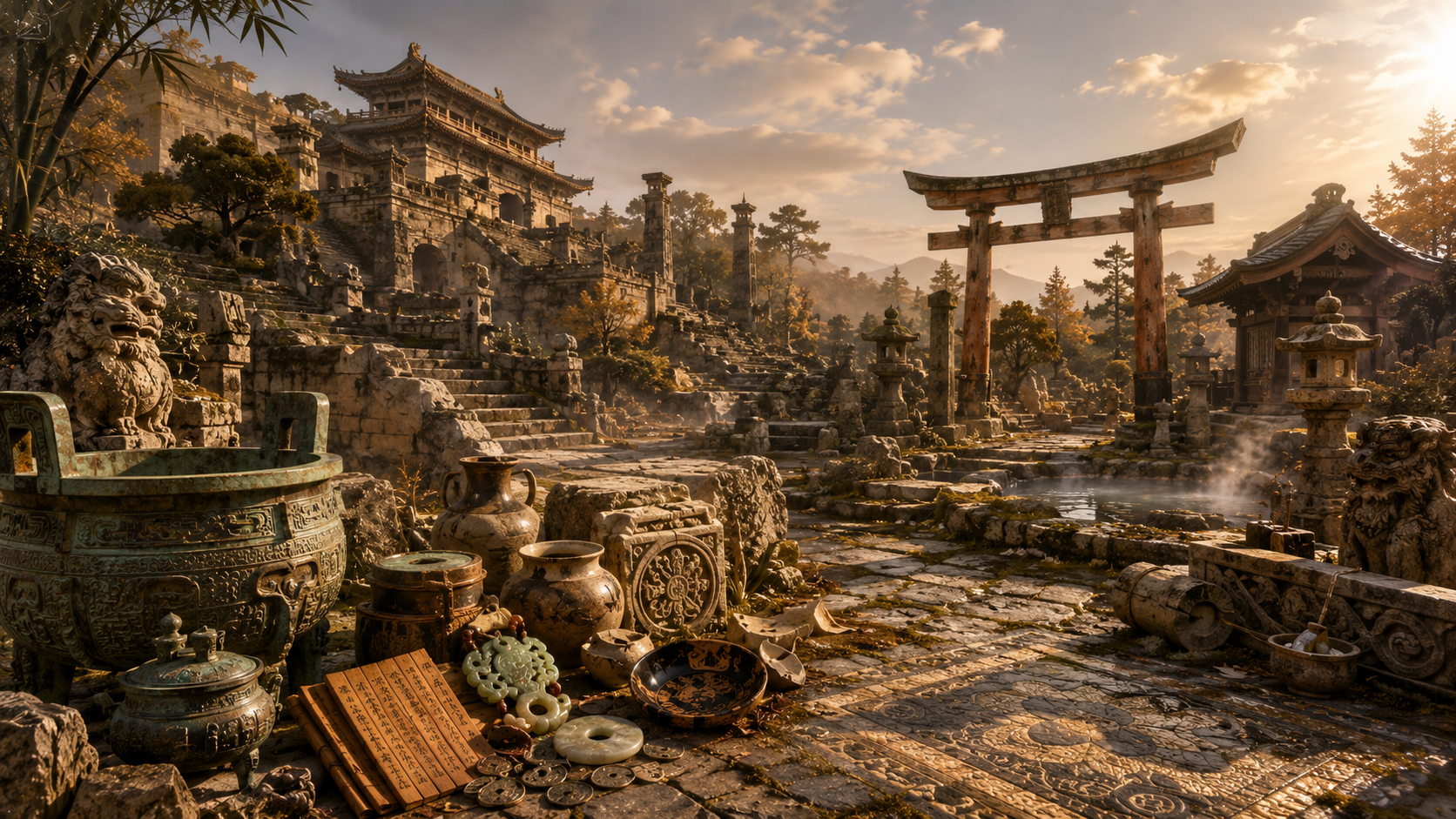
In the civilisations of China and Japan, nudity was shaped by a complex interplay of social order, spirituality and cultural traditions. Although clothing was an important marker of status and decorum, philosophies such as Daoism in China and Shinto in Japan emphasised a more naturalistic approach, seeing nudity as an expression of purity, simplicity and harmony with nature.
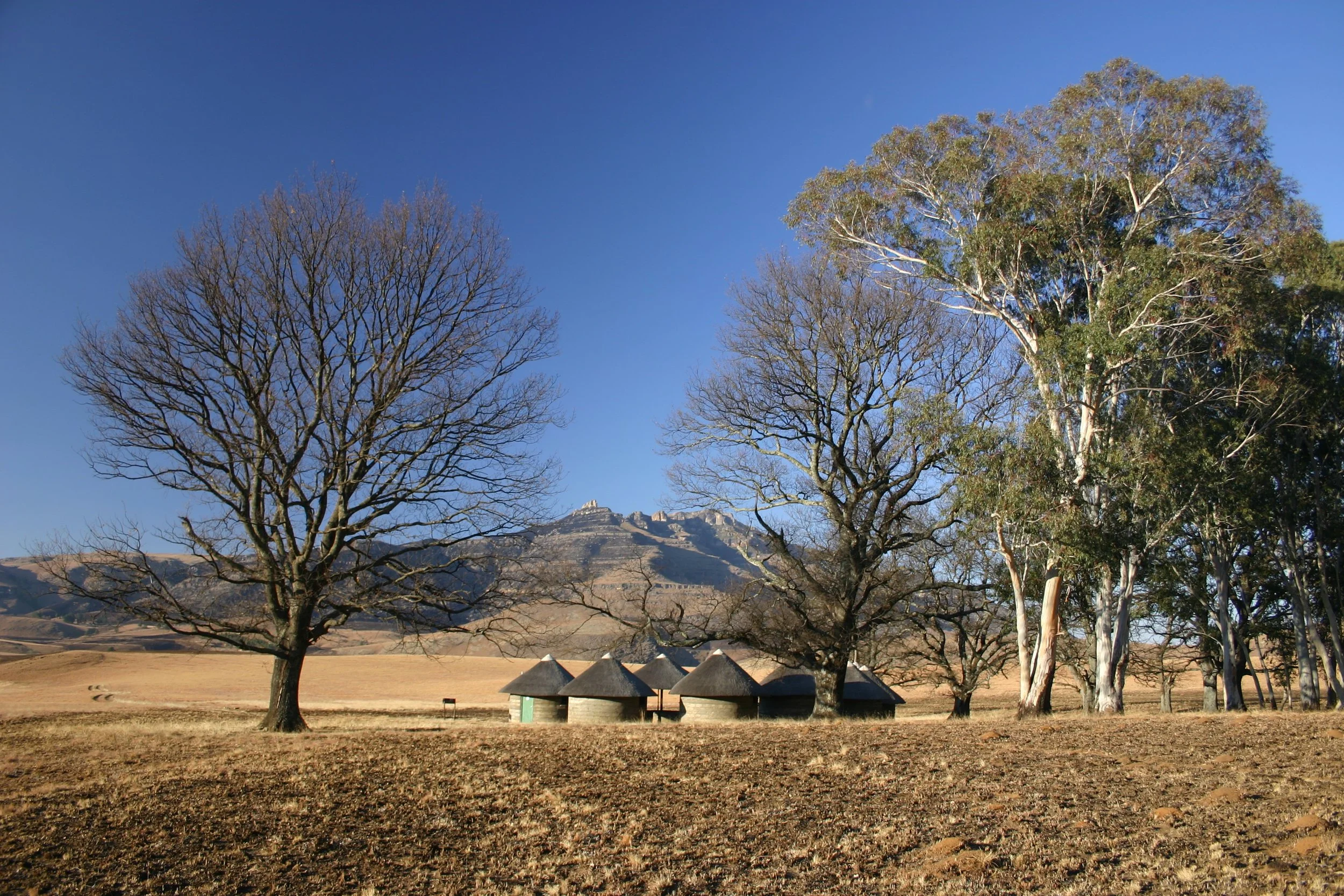
Before arrival of external colonial forces, African societies developed diverse approaches to dress, largely shaped by climate, cultural traditions and social organisation. In many regions, particularly in warm and tropical climates, nudity or minimal clothing was the norm, seen as practical, natural and free from moral stigma.
Body Art & Bare Skin
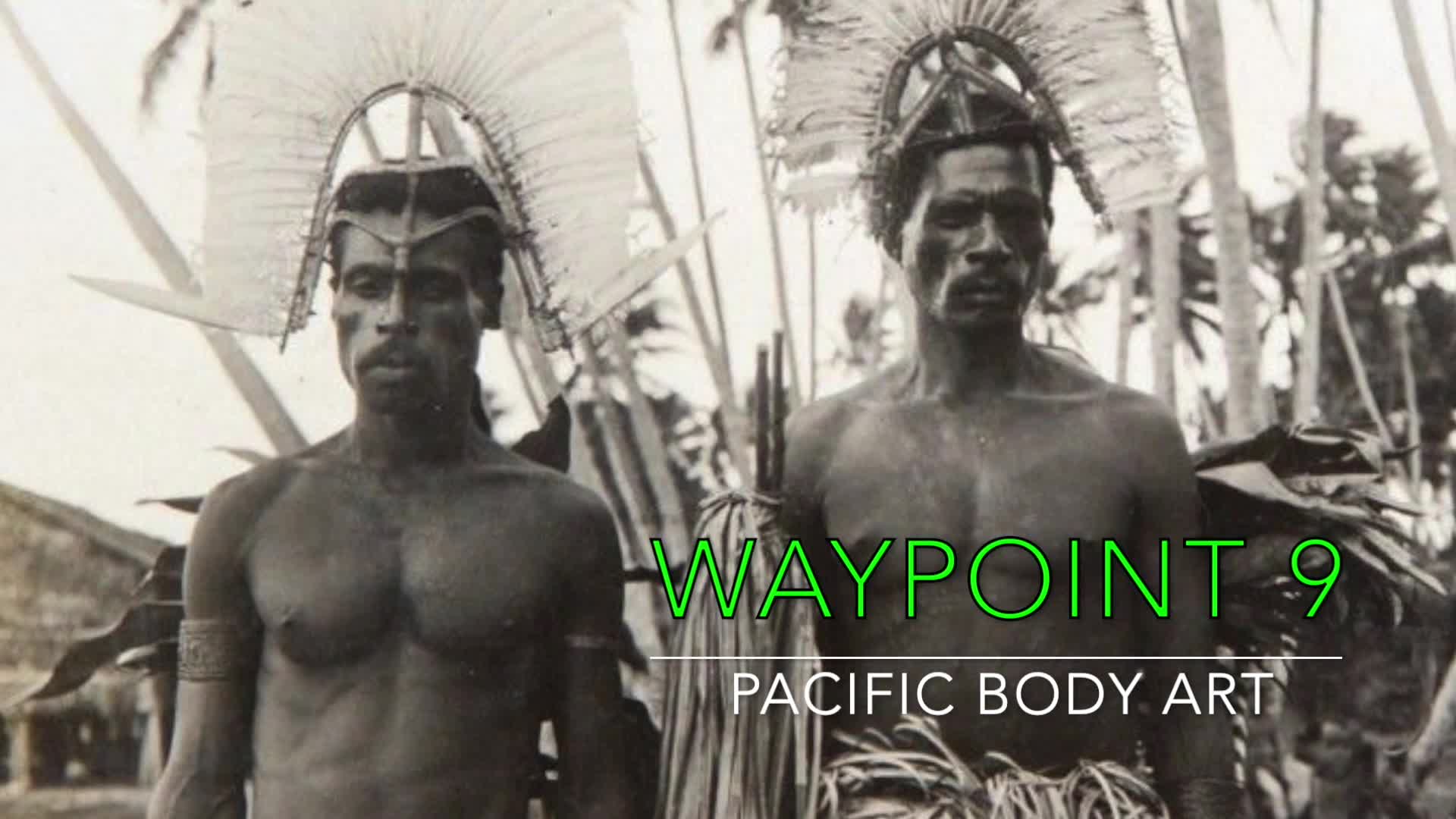
Across the Pacific Islands, naturism was deeply intertwined with cultural identity, artistic expression and spiritual tradition. In Polynesia, Micronesia and Melanesia, traditional dress and body art reflected societal roles, status and connection to the natural world. While minimal clothing was the norm due to the tropical climate, intricate tattooing and adornments often held deeper significance.
Islamic World & Middle Ages: Rise of Modesty Norms
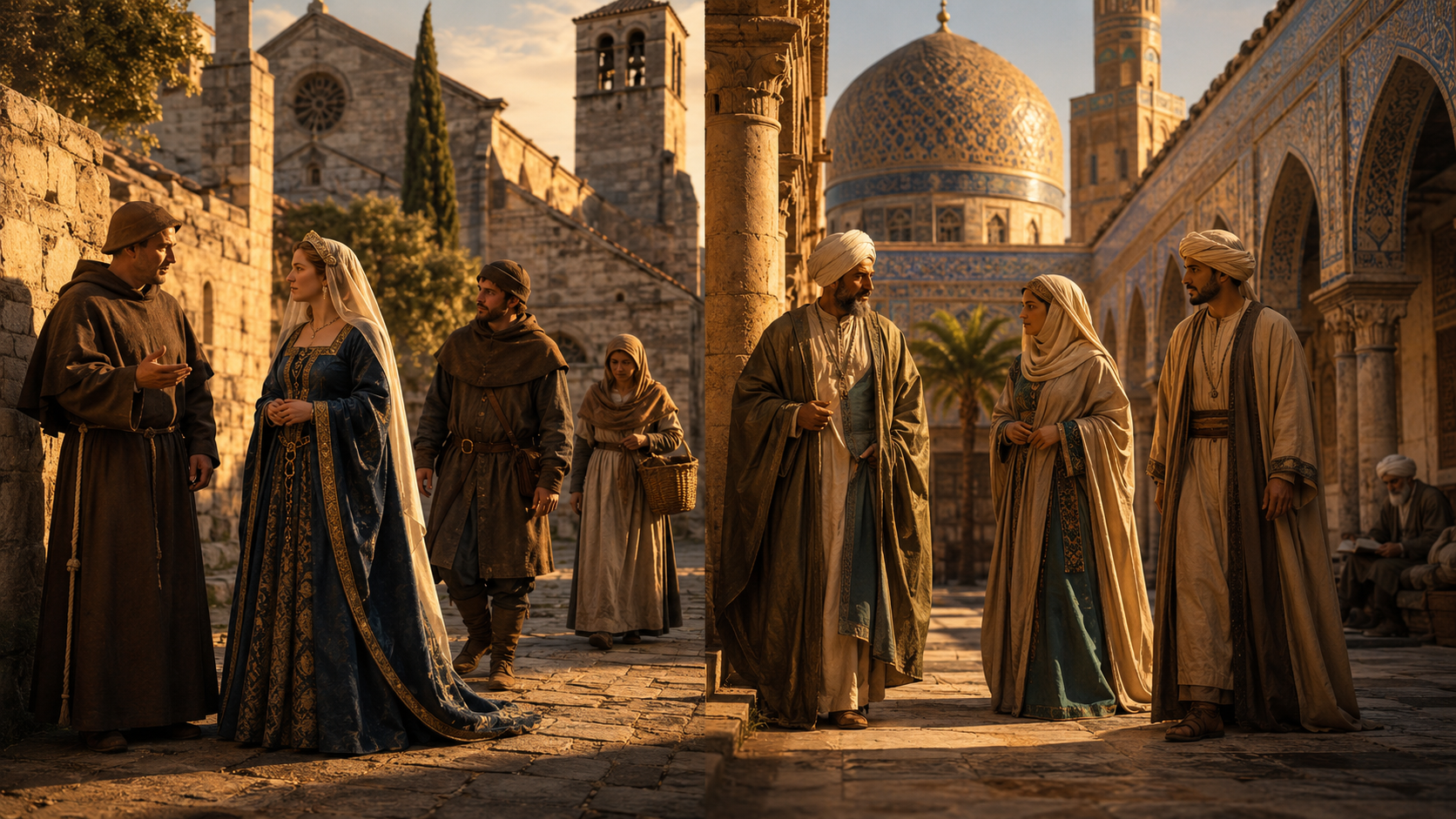
As religious and social structures evolved, the regulation of dress became increasingly significant in both medieval Europe and the Islamic world. Modesty codes became central to expressions of faith, morality and societal hierarchy, influencing cultural norms that persist today.
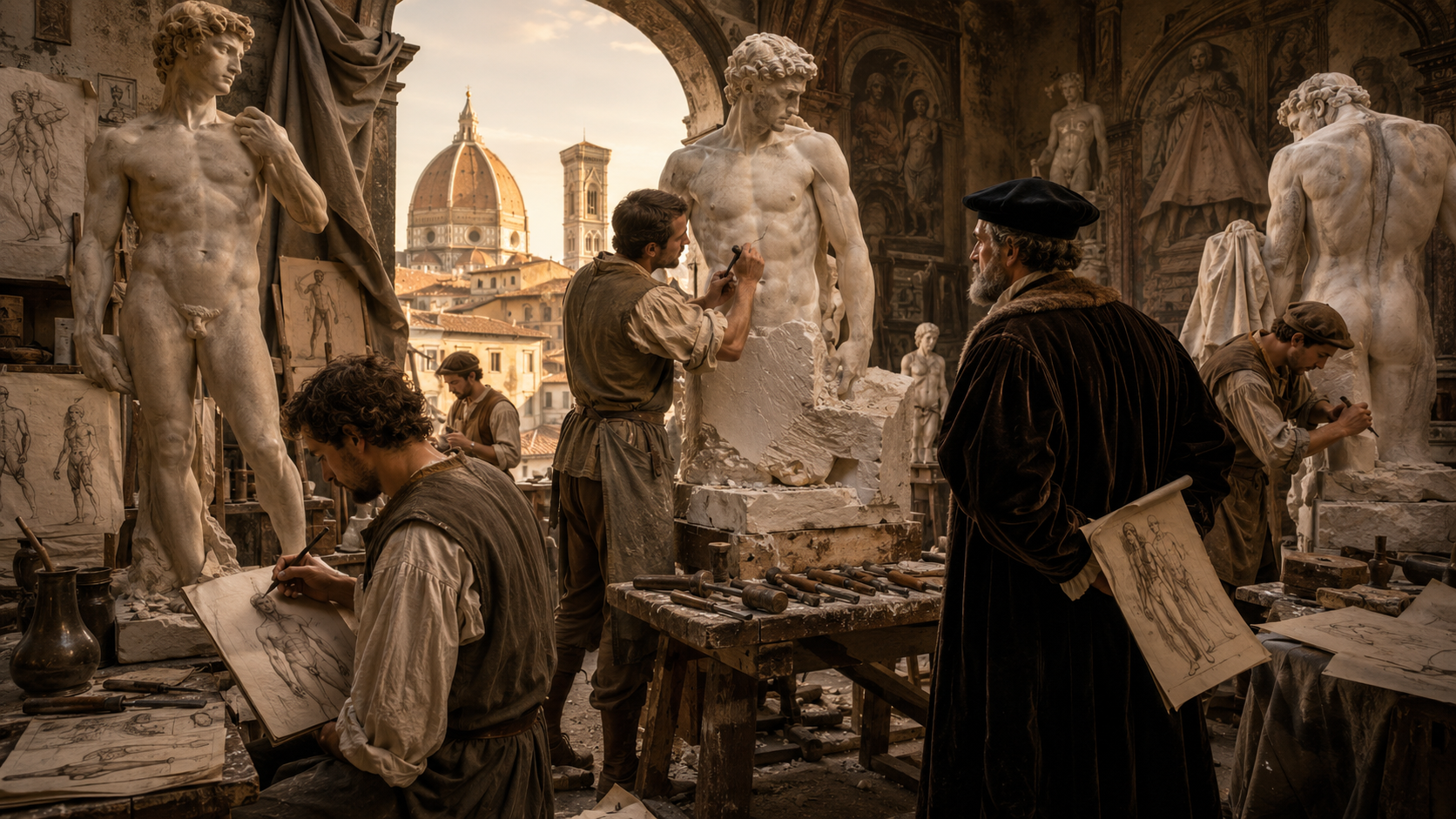
The Renaissance revived classical ideals, celebrating the beauty of the human body in art and scientific study. Yet while everyday modesty remained shaped by religious and social norms, nudity was rediscovered as a symbol of purity, heroism and intellectual inquiry.
Forced Covering of Bodies
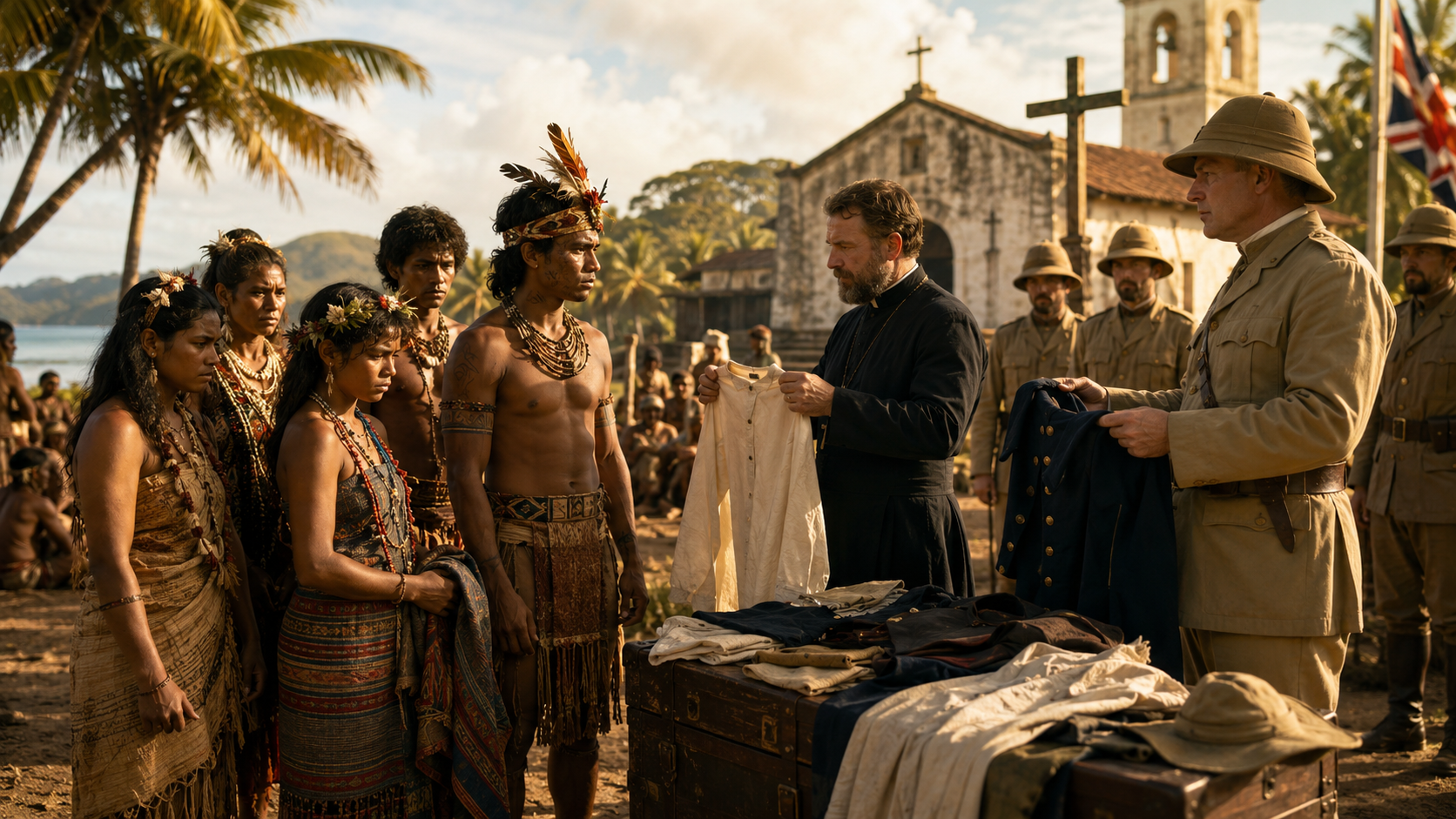
The arrival of European colonial powers marked a dramatic shift in cultural expressions of dress and nudity around the world. Missionaries and colonial authorities viewed traditional social nudity and Indigenous dress customs as incompatible with European morality, using clothing as a tool of religious conversion, social control and political dominance.
Vegetarian-Naturism Movements
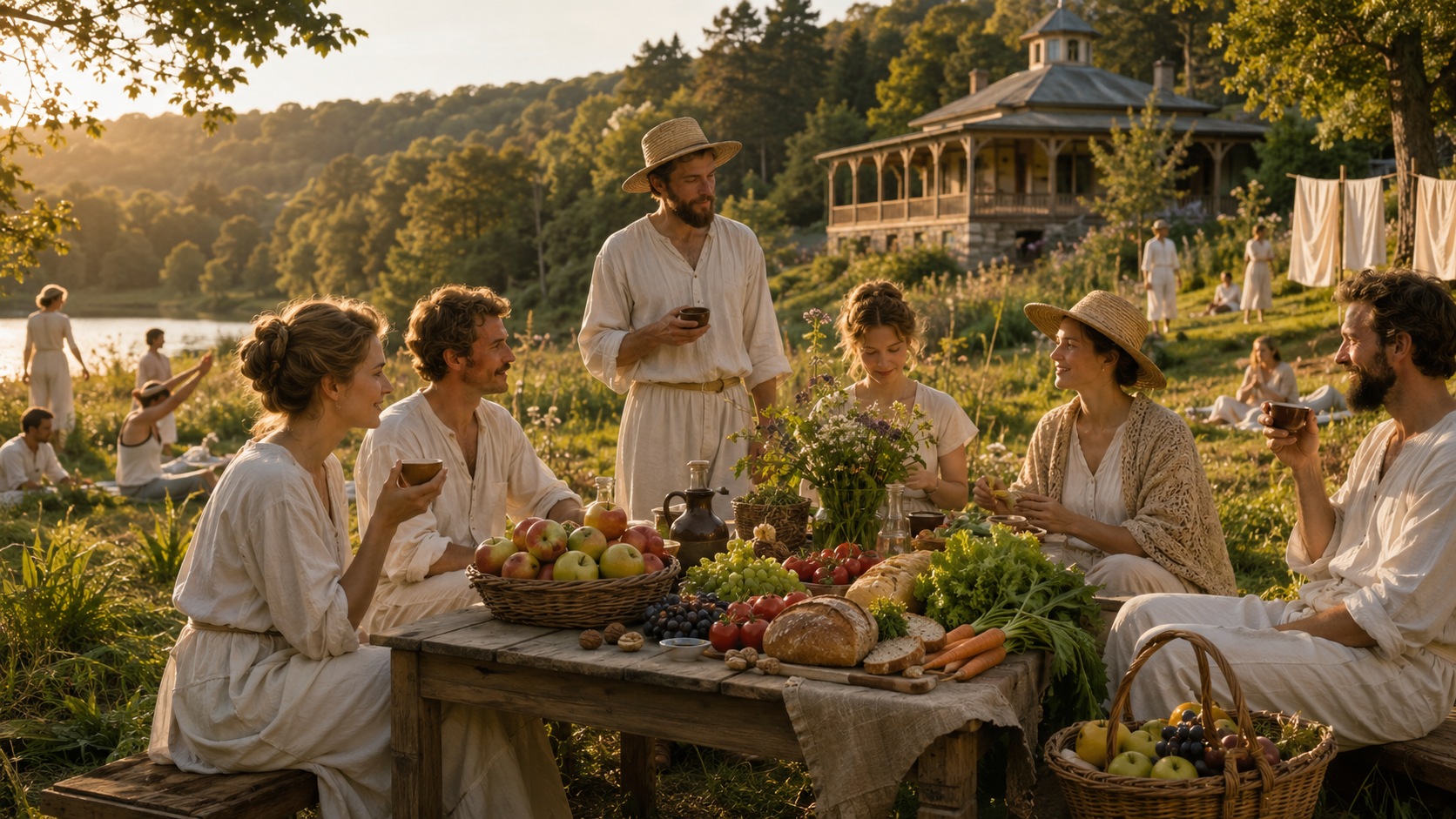
As industrialisation reshaped societies in 19th and 20th centuries, movements advocating for a return to nature and simple living emerged in reaction to urbanisation and capitalism’s excesses. Among these were the interconnected philosophies of naturism and vegetarianism
Suppression & Co-option
The relationship between naturism and the Nazi regime in Germany was complex, marked by initial suppression followed by selective endorsement aligned with ideological goals. While early Nazi policies sought to dismantle many organised naturist movements, the regime later co-opted elements of naturism to promote its racial and physical ideals.
Post-War Boom (1945–1960s)
In the aftermath of World War II, a renewed interest in naturism emerged across Europe and North America. As societies sought to heal from the devastation of war, naturism became a means of promoting peace, health and a reconnection with nature. This period saw the rapid expansion of organised naturist movements.
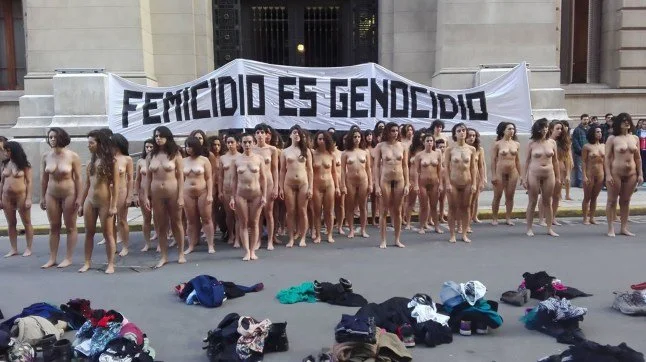
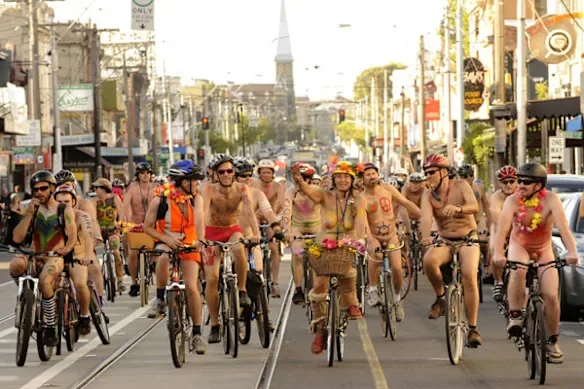
Body as Political Statement
Diverse communities have used nudity in protest against oppression, political corruption, environmental destruction and gender discrimination. Across cultures, these acts of defiance have drawn on deep spiritual and symbolic traditions, using nudity to reclaim power, visibility and justice in ways that transcend mere physical exposure.
In late 20th and early 21st centuries, naturist movement intersected with gender equality, body positivity and LGBTQ+ inclusivity. As attitudes toward nudity continue to evolve, naturism has become a platform for challenging body shame, restrictive beauty standards and gender-based censorship.
…misrepresentation and commodification of nudity. The distinction between naturism and pornography has become an ongoing struggle, with digital platforms, legal policies and mainstream media often conflating the two. Despite these challenges, naturist communities actively advocate for body neutrality, ethical representation and the preservation of public spaces for non-sexual nudity.
Health and Psychology
Modern scientific research has illuminated various health benefits associated with naturism. Engaging in social nudity has been linked to improved body image, enhanced self-esteem, greater life satisfaction, lower stress levels and improved sensory awareness.
Across history, naturism has challenged cultural taboos, encouraged self-acceptance and advocated for equality: from ancient civilisations that embraced nudity in art to modern movements promoting body neutrality.