• E8: Africa before Colonialism

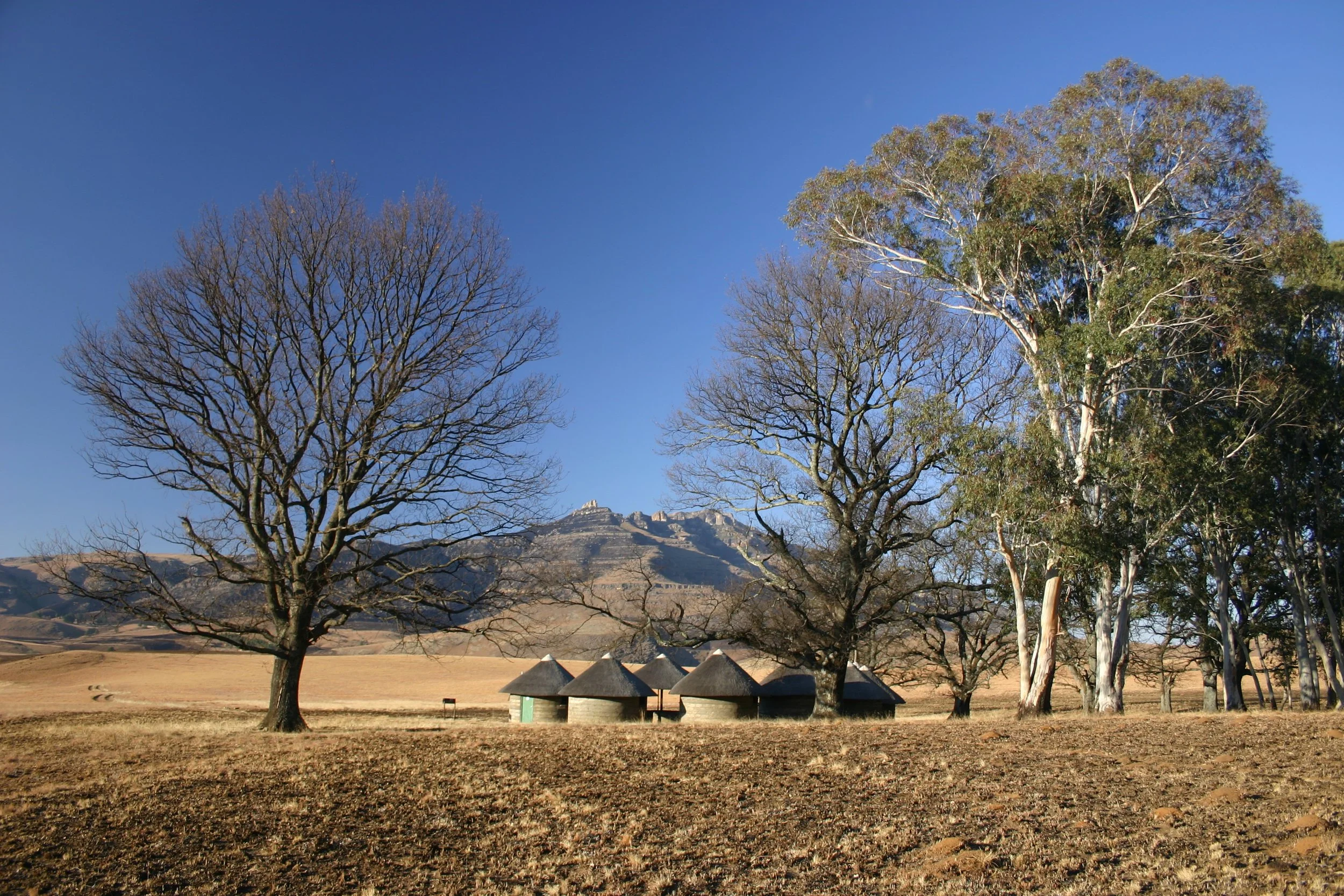
    Before arrival of external colonial forces, African societies developed diverse approaches to dress, largely shaped by climate, cultural traditions and social organisation. In many regions, particularly in warm and tropical climates, nudity or minimal clothing was the norm, seen as practical, natural and free from moral stigma.

  • E9: Pacific Islanders

    Body Art & Bare Skin

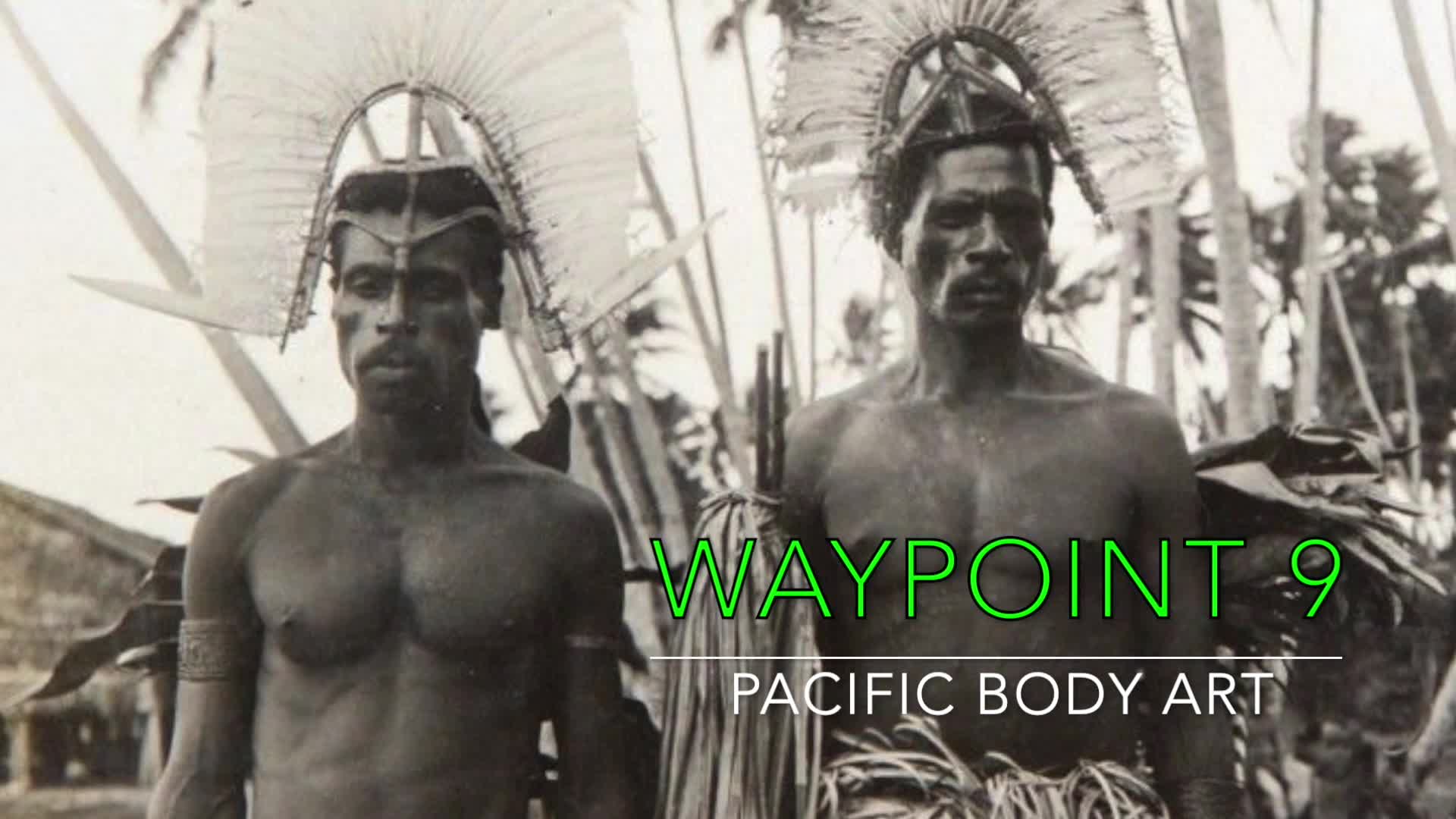
    Across the Pacific Islands, naturism was deeply intertwined with cultural identity, artistic expression and spiritual tradition. In Polynesia, Micronesia and Melanesia, traditional dress and body art reflected societal roles, status and connection to the natural world. While minimal clothing was the norm due to the tropical climate, intricate tattooing and adornments often held deeper significance.

  • E10: Middle Modesty Norms

    Islamic World & Middle Ages: Rise of Modesty Norms

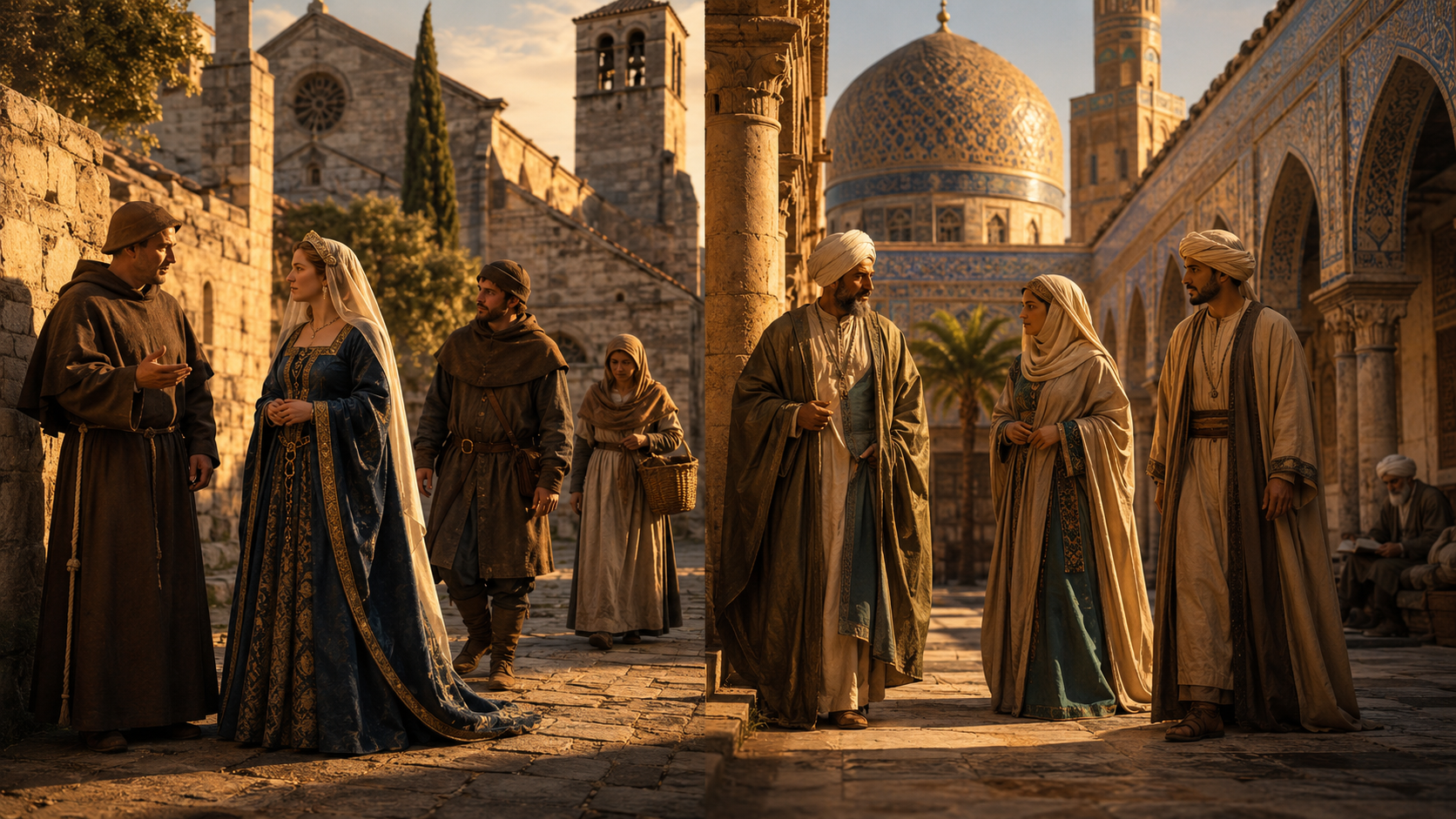
    As religious and social structures evolved, the regulation of dress became increasingly significant in both medieval Europe and the Islamic world. Modesty codes became central to expressions of faith, morality and societal hierarchy, influencing cultural norms that persist today.

  • E11: Changing Perceptions

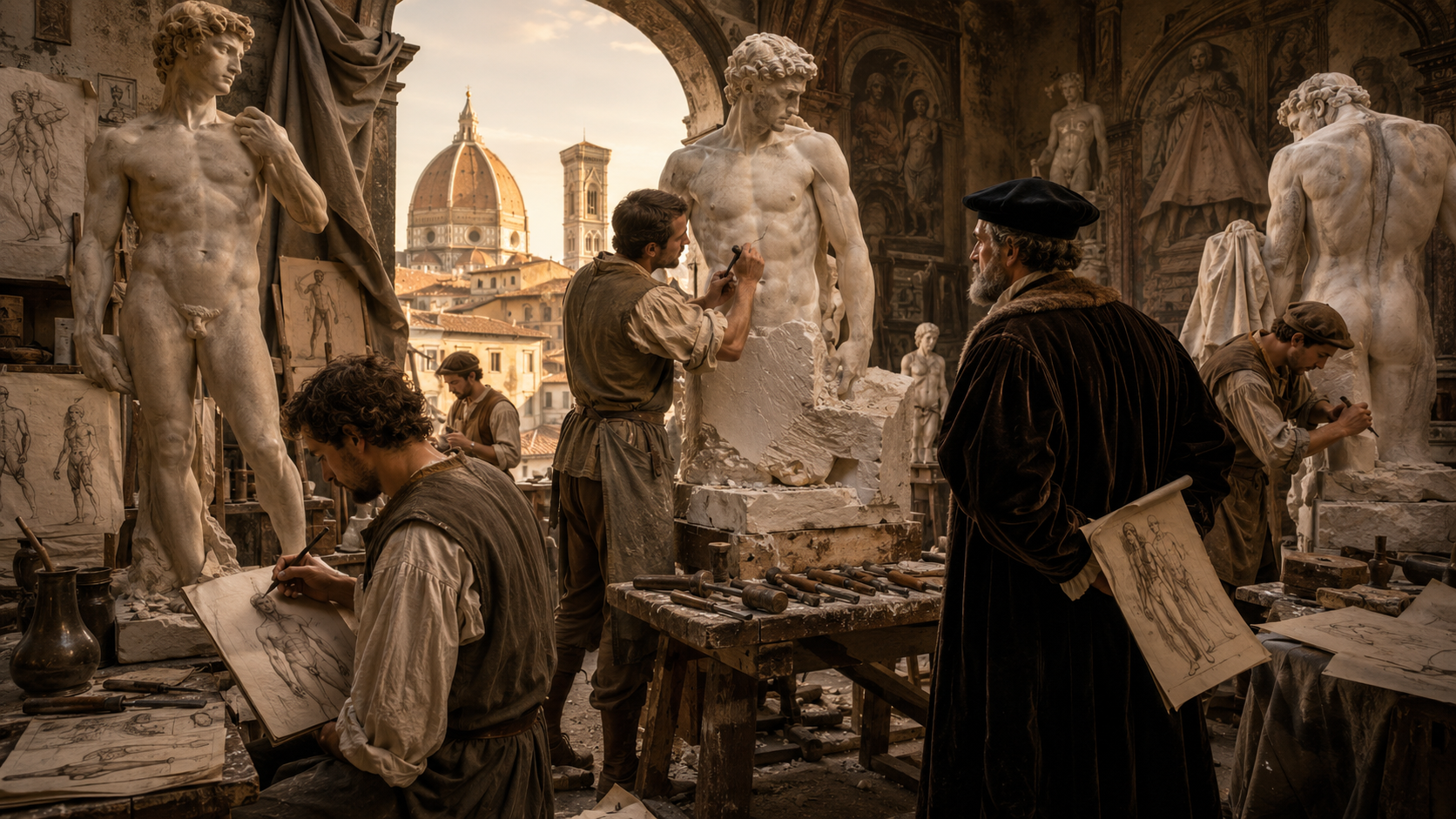
    The Renaissance revived classical ideals, celebrating the beauty of the human body in art and scientific study. Yet while everyday modesty remained shaped by religious and social norms, nudity was rediscovered as a symbol of purity, heroism and intellectual inquiry.

  • E12: Colonialism

    Forced Covering of Bodies

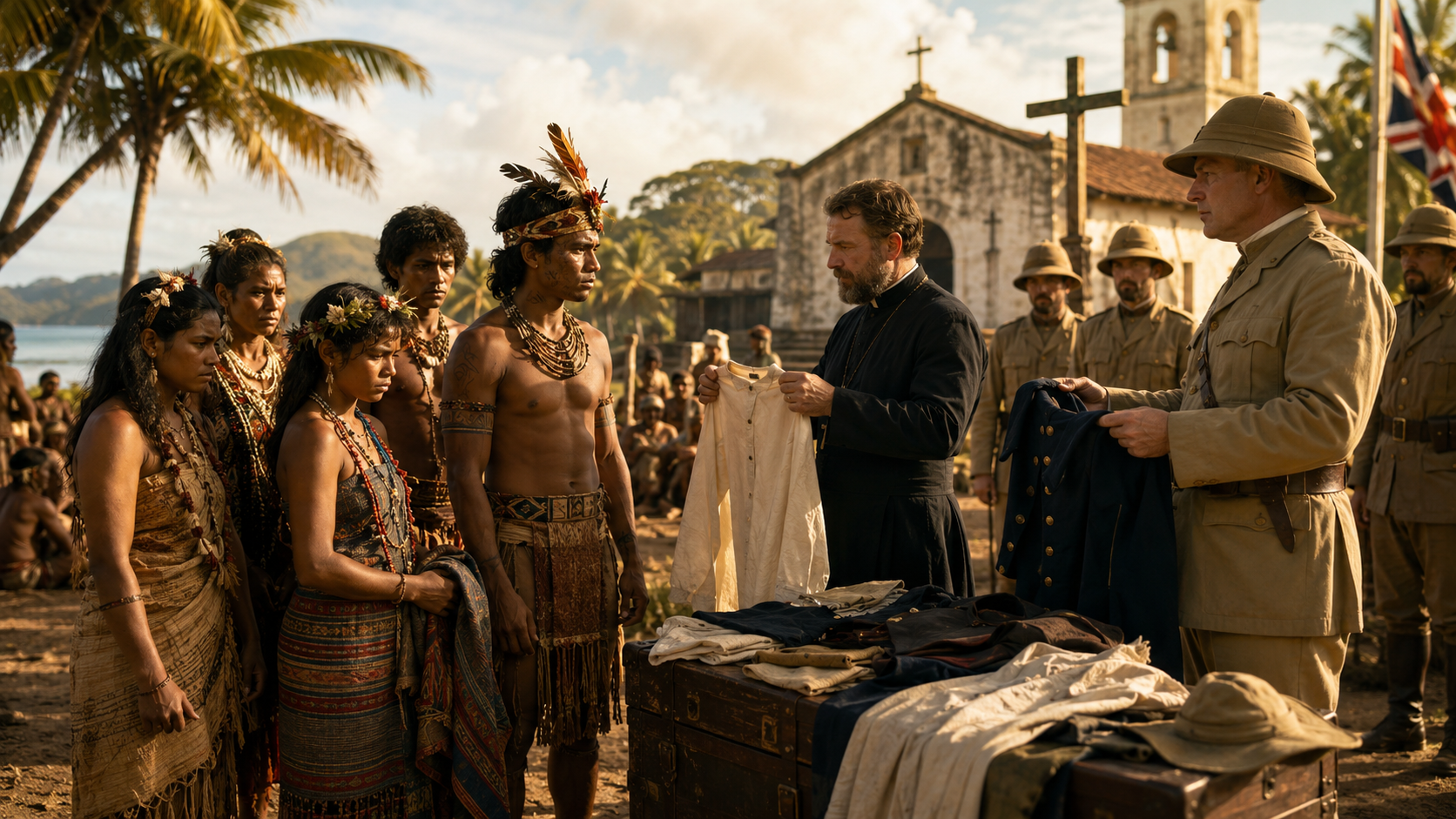
    The arrival of European colonial powers marked a dramatic shift in cultural expressions of dress and nudity around the world. Missionaries and colonial authorities viewed traditional social nudity and Indigenous dress customs as incompatible with European morality, using clothing as a tool of religious conversion, social control and political dominance.